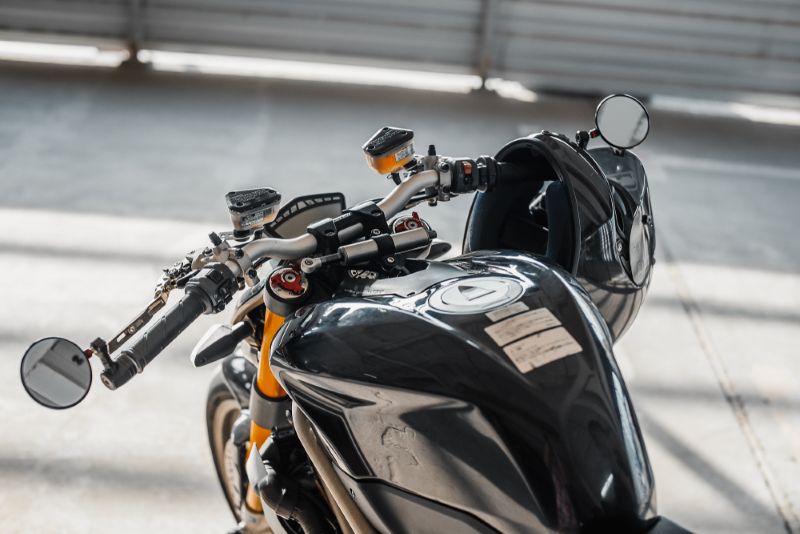
Arkansas Motorcycle Laws That May Affect Your Accident Claim
Motorcyclists in Fort Smith have many of the same rights and responsibilities as other motorists, but Arkansas also has laws that apply specifically to motorcycles and their riders. After a crash, compliance with these laws can become part of the insurance company's investigation into what happened and who was responsible.
Issues involving helmets, licensing, passengers, equipment, and lane use may all arise during a motorcycle accident claim. A violation does not necessarily mean the motorcyclist caused the collision, but understanding Arkansas motorcycle laws can help injured riders anticipate issues that may affect their case.
Do Motorcyclists Have the Same Rights as Other Drivers in Arkansas?
Motorcyclists generally have the right to use Arkansas roads just as drivers of passenger vehicles do. At the same time, riders must comply with traffic laws concerning matters such as speed, traffic signals, yielding, and safe operation.
This can become important after a Fort Smith motorcycle accident because drivers sometimes claim that a rider was speeding, improperly positioned, or otherwise responsible for a collision.
The actions of the other driver must also be examined. Many motorcycle crashes involve allegations that another motorist:
- Failed to yield
- Made an unsafe left turn
- Changed lanes without checking for a motorcycle
- Followed the motorcycle too closely
- Ran a traffic signal
- Was distracted behind the wheel
- Drove at an unsafe speed
Our Fort Smith motorcycle accident attorneys can investigate whether violations by either party contributed to a collision and how Arkansas law may affect an injury claim.
What Is the Motorcycle Helmet Law in Arkansas?
Arkansas does not require every motorcycle rider to wear a helmet. State law generally requires motorcycle operators and passengers under age 21 to wear protective headgear that complies with applicable standards.
Riders who are 21 or older are generally not subject to the same helmet requirement.
The distinction can become relevant after a Fort Smith accident, particularly when the motorcyclist suffers a head or facial injury. An insurance company may raise questions about helmet use when evaluating the injuries and damages.
However, whether the rider wore a helmet is separate from the question of what caused the collision. If another driver ran a red light and struck a motorcycle, for example, the absence of a helmet does not establish that the motorcyclist caused the crash.
The relevance of helmet use to an injury claim depends on the particular injuries and circumstances involved.
Do You Need a Motorcycle License in Arkansas?
Arkansas requires riders to have the appropriate license or endorsement to legally operate a motorcycle on public roads.
Licensing requirements help ensure that motorcycle operators have demonstrated the knowledge and skills required by state law. Depending on the rider's age and circumstances, different licensing requirements may apply.
After a motorcycle accident in Fort Smith, an insurer may investigate whether the rider was properly licensed.
Lack of the appropriate license can create legal problems, but it does not automatically establish who caused an accident. Liability for the collision still depends on the actions that led to the crash.
For example, a licensing issue would not necessarily excuse another motorist who failed to yield and turned directly into the motorcycle's path.
What Does Arkansas Law Say About Motorcycle Passengers?
Arkansas law also regulates how passengers may be carried on motorcycles.
A motorcycle generally must be designed to accommodate a passenger before another person can legally ride on it. Proper seating and passenger equipment can therefore become relevant when two people are injured in the same Fort Smith motorcycle accident.
Helmet requirements also apply to passengers under 21.
When a passenger is injured, the investigation may consider the conduct of both the motorcycle operator and any other driver involved in the crash. A passenger may have a potential injury claim even when questions exist about whether the motorcyclist and another driver shared responsibility.
Can Motorcycles Ride Side by Side in Arkansas?
Lane positioning is another issue that can arise after a motorcycle collision.
Arkansas law generally permits motorcycles to ride two abreast in a single lane. This is different from situations in which a rider attempts to travel between lanes of moving or stopped vehicles.
Motorcycles are smaller than passenger vehicles, but their size does not mean other drivers are entitled to crowd them within a lane or disregard their right to road space.
After a Fort Smith accident, photographs, video, witness statements, and vehicle damage may help establish where the motorcycle was positioned before impact.
Is Lane Splitting Legal in Arkansas?
Lane splitting generally refers to a motorcyclist riding between lanes or rows of vehicles traveling in the same direction.
Arkansas law does not provide motorcyclists with a general right to use the space between lanes as an additional travel lane. Riders should follow applicable lane-use requirements rather than assuming that a motorcycle's smaller size allows it to pass between vehicles.
If an accident occurs while a motorcycle is traveling between vehicles, the rider's conduct may become part of the fault analysis.
However, an insurance company still cannot determine liability based on one fact alone. The conduct of every driver involved should be considered.
Can a Traffic Violation Affect a Motorcycle Accident Claim?
Yes. Evidence that a motorcyclist or another driver violated a traffic law may be relevant when determining negligence.
For example, an insurer might allege that a Fort Smith motorcyclist was speeding before a crash. Conversely, evidence may show that the other driver failed to yield while turning across the motorcycle's path.
Relevant violations could involve:
- Speeding
- Failure to yield
- Unsafe lane changes
- Following too closely
- Disregarding traffic signals
- Improper passing
- Other unsafe driving behavior
A citation can be important evidence, but it does not necessarily resolve a personal injury claim by itself. The entire sequence leading to the collision should be investigated.
How Does Shared Fault Affect an Arkansas Motorcycle Accident Claim?
Questions about motorcycle laws often matter because Arkansas follows a modified comparative fault system.
Under Arkansas law, an injured person may generally recover damages when their degree of fault is less than the fault attributed to the person or parties from whom they seek recovery. Any damages awarded can be reduced according to the injured person's percentage of responsibility.
Suppose a Fort Smith motorcyclist suffers $100,000 in damages after a collision. If the rider is found 20% responsible and the other party 80% responsible, the rider's recoverable damages could be reduced to account for that 20% share of fault.
If the rider's fault reaches the level that bars recovery under Arkansas law, the consequences can be much more significant.
This makes attempts to assign fault to the motorcyclist an important part of many claims.
Can an Insurance Company Use a Motorcycle Violation Against You?
An insurance company may investigate any alleged violation that could help it argue the rider contributed to the accident or injuries.
That does not mean every technical violation proves negligence or justifies reducing compensation.
There should be a meaningful connection between the alleged conduct and the issues in the case. For example, whether a motorcyclist was properly licensed is a different question from whether another driver caused a collision by making an unsafe turn.
Similarly, helmet use may be raised in connection with certain injuries, but it does not necessarily determine who caused the underlying accident.
A Fort Smith motorcycle accident claim should be evaluated based on the complete evidence rather than assumptions about riders or motorcycles.
What Evidence Can Establish What Happened?
When fault is disputed, evidence from the accident can help determine whether either party violated traffic laws and how the collision occurred.
Useful evidence may include:
- Police accident reports
- Photographs of the roadway and vehicles
- Dashcam or surveillance footage
- Eyewitness statements
- Traffic camera footage
- Motorcycle and vehicle damage
- Skid marks and debris
- Cellphone records
- Vehicle electronic data
- Accident reconstruction evidence
Motorcycle crashes can result in particularly severe damage, and the rider may be transported for emergency treatment before having an opportunity to document the scene. When possible, family members or an attorney may be able to help identify and preserve evidence before it disappears.
Why Understanding Arkansas Motorcycle Laws Matters After a Crash
Arkansas motorcycle laws can affect an accident claim in several ways, but violating a motorcycle-specific rule does not automatically make a rider responsible for a collision.
The central issue is how the accident happened and whether the conduct of the rider, another driver, or both contributed to it. Helmet requirements, licensing, passenger rules, lane positioning, and traffic violations may all become relevant depending on the circumstances.
For injured riders in Fort Smith, understanding these distinctions can be important when an insurance company attempts to use a motorcycle law violation to reduce or deny compensation.
Talk With a Fort Smith Motorcycle Accident Attorney
Motorcycle accident claims can involve questions about Arkansas traffic laws, motorcycle-specific requirements, shared fault, and insurance coverage. A careful investigation can help determine which laws actually matter to the collision and whether another party may be responsible for the rider's injuries.
If you are dealing with injuries after a motorcycle accident in Fort Smith, our attorneys are here to help. Call us today or connect with us online to schedule a consultation.